



Lectures
Each year, SfN's Program Committee invites leading scientists to give lectures on critical topics in neuroscience. Lectures will take place November 14–18 in the Walter E. Washington Convention Center, Hall D. Real Time Captioning Services will be provided for all lectures in Hall D. Select lectures will be streamed live from the Walter E. Washington Convention Center, and an on-demand recording will also be available after the session broadcast for approximately one month after the meeting. Lectures taking place during Neuroscience 2026 are listed below.
View other scientific sessions being held this year.
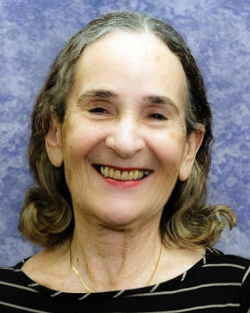
Dialogues Between Neuroscience and Society: Cosmology, the Brain, and Thinking Outside the Box — Neta A. Bahcall
Location: WCC Hall D
Theme: Theme K - History, Education, and Society
Livestreamed: Yes
Session Number: LEC01
Speaker(s): Neta A Bahcall, PhD
Institution: Princeton University
How are cosmology and neuroscience related? Both address fundamental questions in science. Each involves exploring invisible systems. In cosmology, ~95% of the universe is unseen. In neuroscience, essential variables are also hidden, accessible only through indirect measurements. Cosmology breakthroughs are a combination of experiment and theory, using standard and “out-of-the-box” thinking. These conceptual and methodological advances may inspire new ways of probing the mysteries of the brain.
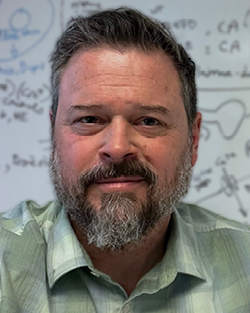
Special Lecture: SARM1 Signaling in the Injured Nervous System — Marc R. Freeman
Location: WCC Hall D
Theme: Theme D – Neuroimmunity, Neurovasculature, and Neural Injury
Livestreamed: Yes
Session Number: LEC02
Speaker(s): Marc R Freeman, PhD
Institution: Vollum Institute
Neuronal injury activates a SARM1-dependent auto-destruction program required for neurodegeneration. Accumulating evidence also argues that Sarm1 promotes axon and synaptic loss in neurological disease. This lecture will discuss SARM1 signaling mechanisms in multiple physiological contexts, additional pro-degenerative signaling pathways that converge with SARM1, and regulators of pathway output that can modulate SARM1-mediated neurodegeneration.
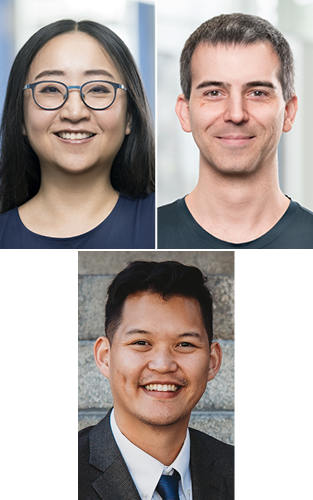
SfNova Lecture: Jennifer Li & Drew N. Robson; Andrew Yang
Location: WCC Hall D
Theme: Theme G – Integrative Physiology and Behavior
Livestreamed: Yes
Session Number: LEC03
Speaker(s): Jennifer Li, PhD
Institution: Max Planck Institute for Biological Cybernetics
Speaker(s): Drew N Robson, PhD
Institution: Max Planck Institute for Biological Cybernetics
Speaker(s): Andrew Yang, PhD
Institution: Gladstone Institutes
Uncovering the Neural Mechanisms of Spatial Cognition With Behavior-Aware Autonomous Microscopes
Jennifer Li, PhD and Drew N. Robson, PhD
Max Planck Institute for Biological Cybernetics
Theme G: Integrative Physiology and Behavior
The speakers develop self-driving tracking microscopes for brain-wide, cellular-resolution imaging in freely moving animals. These systems have led to the discovery of complex brain states and spatial cognitive representations (e.g. place cells) in zebrafish. The talk will discuss how autonomous imaging systems with embedded intelligence can enable systematic investigation of the emergence and reorganization of brain-wide neural networks across an animal’s lifetime without human intervention.
Towards Solving the Blood-Brain Barrier
Andrew Yang, PhD
Gladstone Institutes
Theme D: Neuroimmunity, Neurovasculature, and Neural Injury
For over a century, the blood-brain barrier (BBB) has been defined by what it blocks. New molecular tools are now revealing how it orchestrates traffic between brain and body. This talk will describe how the healthy BBB transports blood proteins into the brain, clears neuronal waste through specialized exit routes, and retains immune cells based on their activation state — and how these processes go awry in disease. These discoveries suggest the BBB operates by learnable rules that can be harnessed for new therapies.
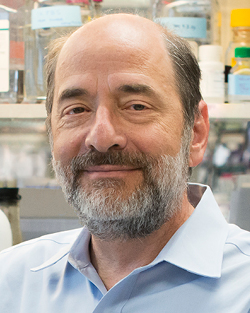
Presidential Special Lecture: How Nature and Nurture Conspire to Control Brain Development and Function — Michael E. Greenberg
Location: WCC Hall D
Theme: Theme B – Neural Excitability, Synapses, and Glia
Livestreamed: Yes
Session Number: LEC04
Speaker(s): Michael E Greenberg, PhD
Institution: Harvard Medical School
In this lecture, the lecturer reflects on a 40-year scientific journey focused on a fundamental question: how do nature (genetic programs) and nurture (environmental experience) converge to shape learning, memory, and behavior? The lecturer will begin with a brief historical perspective, then highlight recent discoveries showing how sensory-dependent gene transcription, initiated within hours, can generate enduring memories, and conclude with emerging evidence that a blood-borne factor acting through astrocytes shapes brain plasticity.
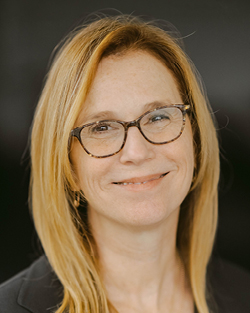
Special Lecture: Learning to Move: What Development and Neurological Injury Reveal — Amy J. Bastian
Location: WCC Hall D
Theme: Theme F – Motor Systems
Livestreamed: Yes
Session Number: LEC05
Speaker(s): Amy J Bastian, PhD
Institution: Kennedy Krieger Institute
Human motor learning relies on a suite of brain mechanisms that are driven by distinct signals, such as reward and error, and have different vulnerabilities to neurological damage. This lecture will describe how motor learning abilities change across the lifespan — how these mechanisms mature from early childhood to adulthood, how learning profiles differ across mechanisms, and how neurological injury disrupts them. These insights can guide individualized rehabilitation strategies that leverage intact mechanisms when others are impaired.
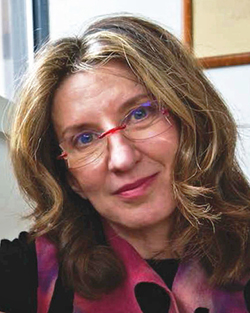
Special Lecture: A Journey to the Emotional Center of the Brain — Katalin M. Gothard
Location: WCC Hall D
Theme: Theme H – Motivation and Emotion
Livestreamed: Yes
Session Number: LEC06
Speaker(s): Katalin M Gothard, MD, PhD
Institution: University of Arizona
Emotions shape perception, decision making, memory, and social interactions. This lecture proposes that the emotional and social functions of the brain emerge from closed-loop interactions between central neural circuits and body physiology that coordinate homeostasis and allostasis. This lecture invites a reconsideration of where emotions reside — not in a central structure, but in the dynamic interplay between brain and body that unfolds over multiple time scales.
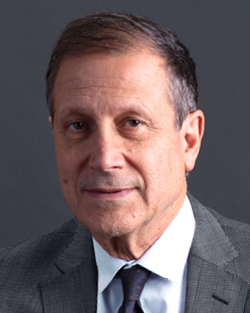
Clinical Neuroscience Lecture: Mending the Mind: From Single Neurons to Memory Neuroprosthetics — Itzhak Fried
Location: WCC Hall D
Theme: Theme G – Integrative Physiology and Behavior
Livestreamed: Yes
Session Number: LEC07
Speaker(s): Itzhak Fried, MD, PhD
Institution: University of California, Los Angeles
Neurosurgical opportunities to record and stimulate single neurons in humans who can report their memories and intentions provide a unique window into the biology of mind. The speaker will present neuronal codes for space, time, and conceptual content derived from single-neuron and population activity in the hippocampal-entorhinal system; review modulation across wake-sleep cycles to enhance memory encoding and consolidation; and discuss ongoing work on targeted modification of specific memories.
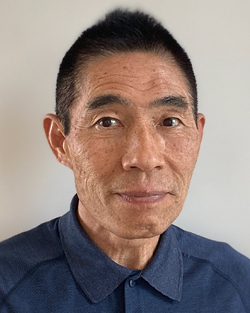
Special Lecture: Bayesian Inference and Reinforcement Learning in the Cortico-Basal Ganglia Circuits — Kenji Doya
Location: WCC Hall D
Theme: Theme I – Cognition
Livestreamed: Yes
Session Number: LEC08
Speaker(s): Kenji Doya, PhD
Institution: Okinawa Institute of Science and Technology Graduate University
Dynamic Bayesian inference and reinforcement learning are major computational approaches in learning to act in uncertain environments. This lecture presents theoretical hypotheses regarding how dynamic Bayesian inference and reinforcement learning can be realized in the neural circuits of the sensory and motor cortices and the basal ganglia, and experimental findings motivated by such hypotheses, including calcium imaging, optogenetic manipulations, and numerical simulations.
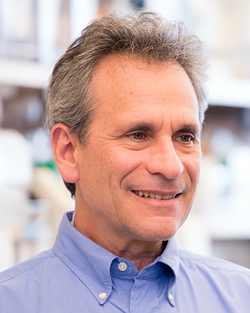
Peter and Patricia Gruber Lecture: A 40-Year Career Studying the Genetics of Forebrain Development: From a Black Box to Gene Regulatory Networks and Clinical Therapy — John Rubenstein
Date & Time: Sunday, November 15, 3–4:30 p.m.
Location: WCC Hall D
Theme: Theme A – Development
Livestreamed: Yes
Session Number: LEC09
Speaker(s): John Rubenstein, MD, PhD
Institution: University of California, San Francisco
This lecture will review work unravelling genetic pathways and developmental processes that underlie regional specification, morphogenesis, and cellular differentiation of the cerebral cortex and basal ganglia. The lecturer will highlight the distinct transcriptional networks controlling differentiation of forebrain GABAergic and glutamatergic neurons, and the tangential migration of GABAergic cortical interneurons from the basal ganglia. The lecture will touch on clinical translational work that arose from the basic studies.
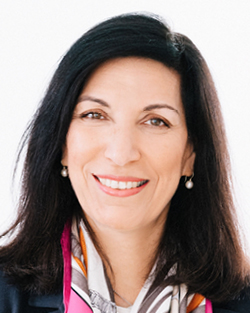
Presidential Special Lecture: Rett Syndrome and MeCP2 Disorders: Genes, Circuits, and Treatment Strategies — Huda Y. Zoghbi
Location: WCC Hall D
Theme: Theme A – Development
Livestreamed: Yes
Session Number: LEC10
Speaker(s): Huda Y Zoghbi, MD
Institution: Howard Hughes Medical Institute/Baylor College of Medicine/ Duncan Neurological Research Institute at Texas Children's Hospital
Rett syndrome is a severe childhood neurological disorder caused by mutations in methyl CpG binding protein 2 (MeCP2). The brain is acutely sensitive to MeCP2 levels — both loss and gain of function produce neurological disease in mice and humans. This lecture will cover cell-specific molecular changes downstream of MeCP2 dysfunction, the neuronal and circuit abnormalities driving Rett phenotypes, and therapeutic strategies targeting MeCP2 loss and gain.
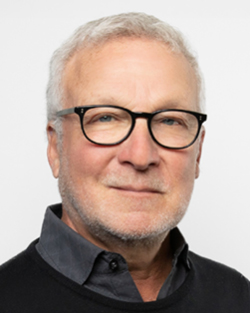
Special Lecture: Towards a New Pharmacotherapy of Pain: Beyond Morphine — Allan I. Basbaum
Location: WCC Hall D
Theme: Theme E – Sensory Systems
Livestreamed: Yes
Session Number: LEC11
Speaker(s): Allan I Basbaum, PhD
Institution: University of California, San Francisco
Although opioids predominate in the management of chronic pain, severe adverse side effects, including respiratory depression and dependence development, greatly limit their use. This lecture will address the latest preclinical approaches to manage chronic pain, including in silico screening of novel pharmacotherapeutics, neuromodulation, gene therapy and selective targeting of peripheral nervous system pain generating mechanisms. There is reason to be optimistic.
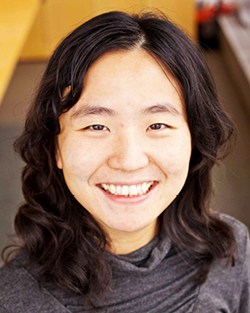
Special Lecture: Social Behaviors: Innate Yet Flexible — Dayu Lin
Location: WCC Hall D
Theme: Theme H – Motivation and Emotion
Livestreamed: Yes
Session Number: LEC12
Speaker(s): Dayu Lin, PhD
Institution: New York University Langone Medical Center
Social behaviors, such as aggression and parental care, are essential for the survival of individuals and the species as a whole. Given their fundamental roles, the neural circuits underlying these innate behaviors are thought to be genetically and developmentally hardwired. However, despite their innate nature, the readiness to express these behaviors is highly plastic and can be shaped by social experience and reproductive state. In this talk, the lecturer will present recent findings on the neural mechanisms that enable this flexibility in social behavior.
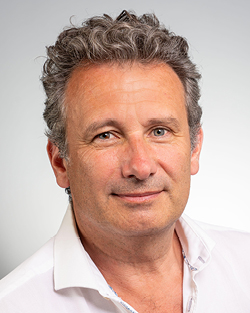
Special Lecture: Ultrasound in Neuroscience — Mickael Tanter
Location: WCC Hall D
Theme: Theme J – Techniques
Livestreamed: Yes
Session Number: LEC13
Speaker(s): Mickael Tanter, PhD
Institution: INSERM
Ultrasound is fast evolving as an essential imaging and therapeutic modality in neuroscience. The speaker will describe the concepts and applications of ultrasound in neuroscience. He will present functional ultrasound neuroimaging and its impact from preclinical neuroscience to clinical applications. He will show how Ultrasound Localization Microscopy leads to non-invasive, deep and quantitative imaging of hemodynamics up to the micron scale. Finally, he will describe its combination with sonogenetics and the use of ultrasound deep neuromodulation.
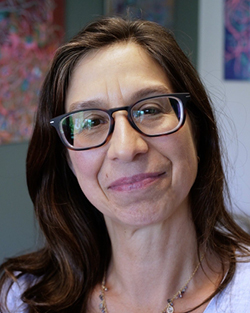
Albert and Ellen Grass Lecture: Keeping Your Brain in Balance: Homeostatic Tuning of Network Function — Gina Turrigiano
Date & Time: Monday, November 16, 3–4:30 p.m.
Location: WCC Hall D
Theme: Theme B – Neural Excitability, Synapses, and Glia
Livestreamed: Yes
Session Number: LEC14
Speaker(s): Gina Turrigiano, PhD
Institution: Brandeis University
Our brains must generate stable activity over decades of life, despite dramatic changes in connectivity and function driven by development and learning. This trick of being both plastic and stable is enabled by “homeostatic” forms of plasticity that regulate activity around setpoint values. This lecture will discuss how neurons and circuits tune their own excitability to maintain stable output and preserve information flow, and how homeostatic setpoints contribute to ethological learning.
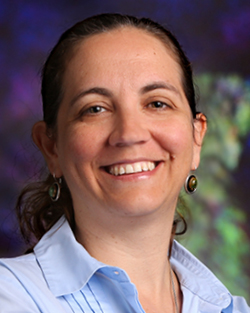
Presidential Special Lecture: How Does Bidirectional Astrocyte-Neuron Signaling Drive Circuit Formation and Function? — Cagla Eroglu
Location: WCC Hall D
Theme: Theme B – Neural Excitability, Synapses, and Glia
Livestreamed: Yes
Session Number: LEC15
Speaker(s): Cagla Eroglu, PhD
Institution: Duke University/Howard Hughes Medical Institute
Astrocytes are integral components of neural circuits that actively communicate with neurons to shape synapse formation, maturation, and plasticity. This lecture will examine how bidirectional astrocyte-neuron signaling coordinates excitatory and inhibitory circuit assembly through contact-dependent mechanisms and secreted factors, and how this dynamic interplay contributes to circuit function and refinement in development and disease.
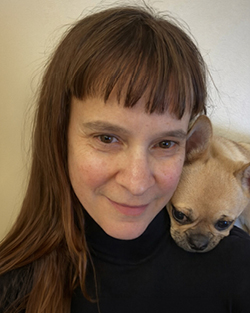
Special Lecture: Stable Brains in Changing Bodies: Rethinking Plasticity in Sensory Cortex — Tamar R. Makin
Location: WCC Hall D
Theme: Theme E – Sensory Systems
Livestreamed: Yes
Session Number: LEC16
Speaker(s): Tamar R Makin, PhD
Institution: University of Cambridge
Does sensory cortex reorganize throughout life? The speaker will revisit this assumption using evidence from amputation, congenital limb absence, and motor augmentation. The lecture will show that while reorganization may occur in early development, adult hand representations remain stable despite amputation. Motor demands will shape fine-grained aspects of sensorimotor maps, placing opportunities and limits on adult brain plasticity and its role in technological integration.
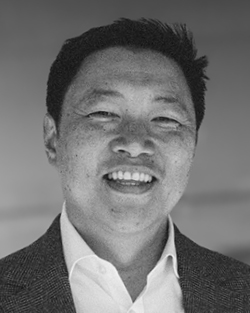
David Kopf Lecture on Neuroethics: What Can Neuroscience Reveal About Human Values? — Winston Chiong
Date & Time: Tuesday, November 17, 10:30–11:30 a.m.
Location: WCC Hall D
Theme: Theme K - History, Education, and Society
Livestreamed: Yes
Session Number: LEC17
Speaker(s): Winston Chiong, MD, PhD
Institution: University of California, San Francisco
Continuing advances in AI pose a challenge to neuroscience: to articulate what is important and distinctive about human cognition. This lecture will draw on clinical observations and the cognitive neuroscience of disorders of the frontal and temporal lobes to illustrate the centrality of personal values in human decision-making. While such values have previously been considered topics just for philosophical theory, this lecture will propose approaches for empirical investigation into the mechanisms underlying these core aspects of human experience.
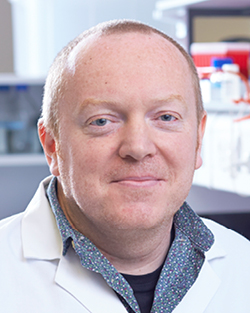
Special Lecture: Myelin Plasticity in Nervous System Development and Disease — David Lyons
Location: WCC Hall D
Theme: Theme B – Neural Excitability, Synapses, and Glia
Livestreamed: Yes
Session Number: LEC18
Speaker(s): David Lyons, PhD
Institution: University of Edinburgh
Myelin, essential for nervous system formation and function, is damaged or lost in diseases that span neurodevelopmental disorders, neuropsychiatric conditions, through age-related neurodegenerative diseases. The speaker’s group use zebrafish to study mechanisms of myelinated axon development, dynamic regulation in active neural circuits and disruption in disease. In this lecture, the speaker will show how discoveries in zebrafish revealed evolutionarily conserved mechanisms of myelin plasticity, relevant to the treatment of human conditions.
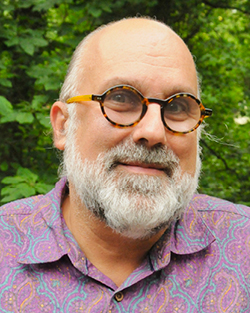
History of Neuroscience Lecture: Beyond the Hebbian Synapse: A Brief History of the Cellular Substrates of Memory — David J. Linden
Location: WCC Hall D
Theme: Theme K - History, Education, and Society
Livestreamed: Yes
Session Number: LEC19
Speaker(s): David J Linden, PhD
Institution: Johns Hopkins University
If you ask a newly-minted neuroscientist which cellular mechanisms underlie memory storage in the brain, you’re likely to hear about experience-dependent changes in synaptic strength and be shown a diagram of an excitatory synapse received on a dendritic spine. This story is well and true, but incomplete. In fact, nearly every electrical and metabolic function of neurons and glia can be persistently modified by experience and these plastic cellular processes all interact to create memory.
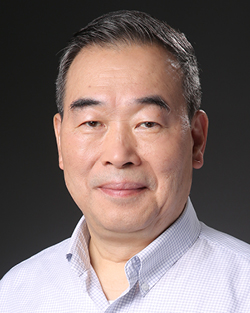
Presidential Special Lecture: Transcriptomes, Connectomes, and Neuromodulation — Mu-ming Poo
Location: WCC Hall D
Theme: Theme J – Techniques
Livestreamed: Yes
Session Number: LEC20
Speaker(s): Mu-ming Poo, PhD
Institution: Institute of Neuroscience, Chinese Academy of Sciences
Recent efforts in cell type identification and single-neuron connectome mapping of non-human primate (NHP) brains may facilitate circuit-specific modulation of brain functions and dysfunctions. Several outstanding issues remain: distinction between neuronal types vs. states, between mediating vs. modulating role of neurons, cause vs. effect within complex neural networks, and normal vs. abnormal brain functions. Progress in generating NHP models of disease phenotypes and the use of them for developing brain disease therapies will also be discussed.
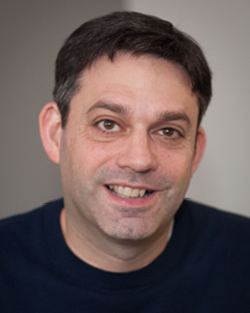
Special Lecture: The Vagus Nerve: How the Brain Listens to the Body — Stephen Liberles
Location: WCC Hall D
Theme: Theme G – Integrative Physiology and Behavior
Livestreamed: Yes
Session Number: LEC21
Speaker(s): Stephen Liberles, PhD
Institution: Harvard Medical School
The vagus nerve is a key instrument of the body-brain axis that controls vital functions of our respiratory, cardiovascular, digestive, and immune systems. It monitors our internal organs, drives behaviors to alleviate physiological need, and communicates with brain-body motor neurons to conduct a symphony of body biology. This lecture will describe recent advances using molecular and genetic approaches to deconstruct the vagus nerve. Defining body-brain communication mechanisms will uncover principles of neurophysiology and new ways to treat autonomic disease.
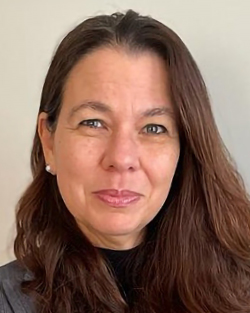
Special Lecture: Hormonal Signaling and Physical Exercise: Building Cognitive Resilience Against Alzheimer’s Disease — Fernanda G. De Felice
Location: WCC Hall D
Theme: Theme C – Neural Aging and Degeneration
Livestreamed: Yes
Session Number: LEC22
Speaker(s): Fernanda G. De Felice, PhD
Institution: Centre for Neuroscience Studies, Queens University
This lecture will review the critical intersection of Alzheimer’s disease, hormonal signaling, and physical exercise. Research from the De Felice Lab on the mechanisms that lead to defective hormonal signaling in the Alzheimer’s disease brain will be presented. Integration of hormonal dysfunction with clinical observations will be considered. How lifestyle interventions, specifically physical exercise, drives cognitive resilience and hold the potential to preserve brain health and delay the progression of neurodegeneration will be discussed.
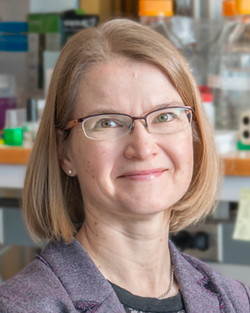
Special Lecture: Illuminating Functions of the Choroid Plexus and Cerebrospinal Fluid System Throughout Life — Maria Lehtinen
Location: WCC Hall D
Theme: Theme A – Development
Livestreamed: Yes
Session Number: LEC23
Speaker(s): Maria Lehtinen, PhD
Institution: Boston Children's Hospital
The cerebrospinal fluid (CSF) has emerged as a vibrant topic in neuroscience. It delivers a complex cocktail of growth factors and nutrients to the developing brain. It also functions as an orchestrator of neuroimmune interactions and neurophysiology throughout life. Specific roles have emerged for the choroid plexus epithelium — the predominant source of CSF — in directing brain development and health. Here, the speaker also discusses how the system serves as an auspicious frontier for brain therapeutics.
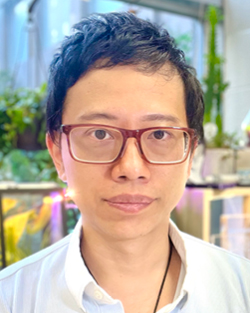
Special Lecture: The Secret Life of Unmyelinated Axons — Shigeki Watanabe
Location: WCC Hall D
Theme: Theme B – Neural Excitability, Synapses, and Glia
Livestreamed: Yes
Session Number: LEC24
Speaker(s): Shigeki Watanabe, PhD
Institution: Johns Hopkins University
The speaker will describe their recent discovery that unmyelinated axons exhibit a "pearls-on-a-string" morphology due to the mechanical properties of axonal membranes, and will discuss the implications of this finding for action potential propagation, organelle transport, and synaptic function.






