Skip Navigation

  • join logo Join
  • give logo Give
  • advocate logo Advocate
  • publish logo Publish
Sign In
SfN 50th anniversary logo
  • Membership
    • Membership Overview
    • Member Benefits
      • Individual Member Benefits
      • Institutional Program Member Benefits
      • Sustaining Associate Member Benefits
    • Join or Renew
      • Automatic Renewals
      • Membership Dues by Category
    • Chapters
      • Resources for Chapters
      • Chapter Grants and Awards
      • Submit Annual Report
      • Start or Reactivate a Chapter
      • Chapter Directory
      • Chapter Video Challenge
      • Frequently Asked Questions
    • Member Directory
      • Sustaining Associate Member Directory
    • Professional Conduct
      • SfN Ethics Policy
      • Guidelines for Responsible Conduct Regarding Scientific Communication
      • Code of Conduct at SfN Events
      • Neuronline Digital Learning Community Guidelines
    • Frequently Asked Questions
    • Member Obituaries
  • Meetings
    • Meetings Overview
    • Neuroscience 2020
      • Abstracts
      • Dates and Deadlines
      • Exhibits
      • FAQs
      • Housing and Travel
      • Registration
      • Sessions and Events
    • Virtual Conferences
      • Upcoming Conferences
      • Past Conferences
    • Past and Future Annual Meetings
      • Neuroscience 2019
      • Neuroscience 2018
      • Search Past Annual Meeting Abstracts
      • Attendance Statistics
    • Meeting Policies and Guidelines
      • Code of Conduct at SfN Events
      • Guidelines for Participating in SfN Events
      • Photography & Recording Policy
      • Presenter Guidelines and Policies for SfN Events
    • Calendar
    • Meeting Awards
      • Trainee Professional Development Award
      • FENS Member Awards to SfN Annual Meeting
      • IBRO Member Awards to SfN Annual Meeting
      • JNS Member Awards to SfN Annual Meeting
      • Science Journalism Student Award
      • FENS Forum Awards
      • IBRO World Congress Awards
      • JNS Meeting Awards
  • Careers
    • Careers Overview
    • NeuroJobs Career Center
      • Job Seekers
      • Employers
    • Neuroscience Training Program Directory
    • Career Tools and Resources
      • Neurobiology of Disease Workshop
      • Scientific Short Courses
      • Responsible Conduct of Research Short Courses
      • Global Funding Sources
    • Higher Education and Training
      • Core Competencies
      • Graduate School Fair
      • Neuroscience Training Program Survey
    • Awards
      • Lifetime
      • Early Career
  • Initiatives
    • Initiatives Overview
    • Awards
    • Neuronline
    • Leadership Development Program
    • Diversity Programs
      • Neuroscience Scholars Program
      • Latin American Training Program
    • Women and Neuroscience
      • Increasing Women in Neuroscience (IWiN) Courses & Toolkit
      • Celebration of Women in Neuroscience Event
      • Awards
    • Animals in Research
      • Support for Members and Institutions
      • Tools and Resources
      • Resources for Medical Students
    • Public Education Programs
      • Resources for Educators
      • Brain Awareness Video Contest
      • Brain Bee
      • Science Olympiad
  • Advocacy
    • Advocacy Overview
    • Advocacy Network
      • The NeuroAdvocate Challenge
      • Advocacy Action Center
      • Advocacy App
      • Advocacy Best Practices
      • Advocacy Network Newsletter
      • Advocacy Training Seminars
    • US Advocacy Programs
      • Capitol Hill Day
      • Connect with Policymakers
      • Early Career Policy Ambassadors
      • Partner with a Local Chapter
      • Engage the Media
    • Global Advocacy Programs
      • Global Neuroscience Initiatives
      • Global Funding
      • North American Programs
    • Science Funding
      • Advocacy Videos
      • Advocacy Resources
      • US Neuroscience Initiatives
      • Funding Priorities and Processes
    • Policy Positions
      • Statements and Testimony
      • Sign-On Letters
  • Outreach
    • Outreach Overview
    • BrainFacts.org
    • Find a Neuroscientist
    • Brain Awareness Campaign
      • Webinar: The ABC's of BAW
      • How to Get Involved
    • Awards
      • Award for Education in Neuroscience
      • Next Generation Award
      • Science Educator Award
      • Undergraduate Brain Awareness Travel Award
  • Publications
    • Publications Overview
    • SfN News
    • JNeurosci
    • eNeuro
    • Neuroscience Nexus
    • Neuroscience Quarterly
    • Annual Report
    • History of Neuroscience Autobiographical Chapters
  • About
    • About Overview
    • Mission and Strategic Plan
    • What We Do
      • Annual Report
      • Professional Conduct
      • Bylaws
      • Resolutions to the Bylaws
      • Strategic Partners
    • SfN 50th Anniversary Celebration
    • History of SfN
    • Environmental Commitment
    • Volunteer Leadership
      • SfN Presidents
      • Committees
      • Elections
    • History of Neuroscience
      • Autobiographical Chapters
      • Autobiographical Videos of Prominent Neuroscientists
      • Classic Papers
      • Neuroscience History Resources
      • Robert Doty's Chapter on Neuroscience
    • Careers and Staff
      • Staff List


Share your research on a global stage.

Abstract submission opens
April 9.

  • Science Education, Outreach Awards Now Open
  • Explore Themes and Topics for Neuroscience 2020
  • Submit Nominations for SfN Early Career Awards
  • JOIN SfN

Advancing Scientific Exchange
Abstract Submission Opens April 9

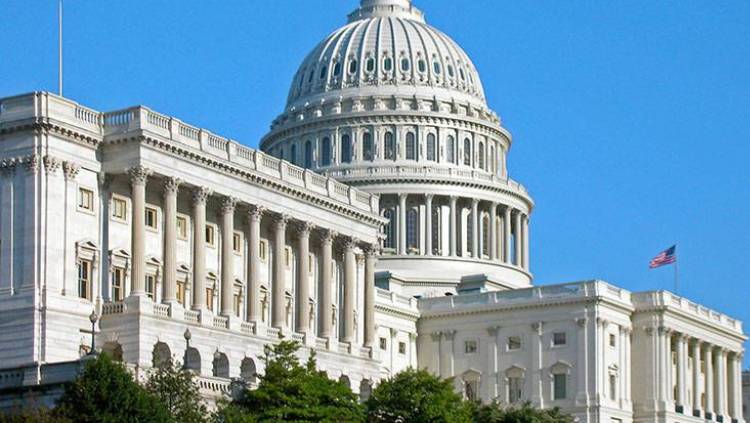
Scientists from all over the world will gather in Washington, D.C. this October for SfN's 50th Annual Meeting. The abstract submission period for Neuroscience 2020 opens April 9, but it's not too early to start preparing. Review the abstract submission rules and submission instructions to help prepare your abstract.


Call for Abstracts

Figure 1. Task design and behavioral clustering. a, Hybrid spatial-episodic memory task in which subjects play the role of a courier. On each trial, subjects navigate to 12 different target stores to deliver parcels. Upon arrival, the just-delivered object is revealed. After 12 deliveries, subjects navigate to a final store. Here, the screen goes black and subjects attempt to freely recall all objects they delivered in any order. b, Bird's-eye view of the virtual city. Overlaid are store names together with a toy example list. For each recall transition, we calculate a spatial clustering score (SCS) and temporal clustering score (TCS) between 0 and 100 that reflects the spatial or temporal proximity between the recalled words during encoding. c, Clustering in recall sequences. Subjects organize their recalls with respect to spatial and temporal context information, as indicated by spatial and temporal clustering scores larger than the permutation average indicated by the dashed lines (higher scores are associated with closer recall transitions; see Materials and Methods). Error bars show SEM across subjects. Spatial and temporal clustering are uncorrelated across subjects (inset).
JNeurosci
Mar 06, 2020
Reactivated Spatial Context Guides Episodic Recall
Hippocampal theta phase modulates parahippocampal gamma amplitude during recall of spatial context
  • Current Issue
  • Submit a Manuscript
Diaphragm function was significantly restored by PAP4 following C2 hemisection. At eight weeks after injury, EMG recordings were assessed from uninjured, DMSO-treated hemisection, and PAP4-treated hemisection groups. EMG amplitudes were recorded at three subregions of the hemidiaphragm: dorsal, medial, and ventral regions (D). Both DMSO-treated and PAP4-treated groups were compared to intact (laminectomy-only) animals. Representative EMG traces from the ventral region of the diaphragm show that compared to laminectomy-only animals (A, A’), DMSO-treated rats (B, B’) had a significant decrease in inspiratory EMG burst amplitude at eight weeks after injury. Animals treated with PAP4 (C, C’) showed significant recovery of EMG amplitude following injury. Quantification of EMG recordings at the three hemidiaphragm regions (E). Ventral subregion EMG burst frequency was unaffected by PAP4 treatment (F). EMG duty cycle was increased by PAP4 (G). *p < 0.05. **p < 0.01. ***p < 0.001. ns, not significant p ≥ 0.05.
eNeuro
Mar 06, 2020
Blog: Reader's Pick
Enhancing Breathing After Spinal Cord Injury Through Axonal Regeneration in Rats
  • Latest Articles
  • Submit a Manuscript

Advocating for Neuroscience

Advocates pose in front of the US Capitol
Advocacy
Mar 06, 2020
Check out the Latest in Neuroscience Advocacy
  • SfN Policy News
  • Animals in Research

Supporting Careers

Title card stating "Entrepreneurial Women Combining Neuroscience, Engineering, and Tech" on a blue background with the Neuronline logo below.
Neuronline
Mar 05, 2020
Explore the Scientific Accomplishments of Female Leaders
  • NeuroJobs Online Career Center
  • Neuronline

Education and Engagement

rainbow illustration of developing brain
BrainFacts.org
Mar 03, 2020
Catching the 'Brainbow'
  • BrainFacts.org
  • Resources for Educators
SfN Websites
  • BrainFacts.org logo
  • eNeuro logo
  • JNeurosci logo
  • Neuronline logo
Engage with SfN
  • join Join
  • give Give
  • advocate Advocate
  • publish Publish
Quick Links
  • SfN News
  • For Press
  • Calendar
  • Contact Us
  • Advertise
  • Code of Conduct
  • Jobs at SfN
Follow SfN
  • Facebook logo
  • Twitter logo
  • Instagram logo
  • LinkedIn logo
  • YouTube logo
  • RSS feed logo
SfN 50th Anniversary logo stating "Society for Neuroscience, celebrating 50 years. 1969-2019"
1121 14th Street NW, Suite 1010, Washington, D.C. 20005
(202) 962-4000
  • Accessibility Policy
  • Disclaimer
  • Privacy Policy
  • Contact Us

Copyright © Society for Neuroscience